





How Mafia Casino Withdrawal Time Works In 2026
Cash-out timing is not one single clock. It is a chain of checks: the account must look consistent, the payment route must belong to the player, the balance must be eligible, and the request must move through review. The platform is available in Canada, but every player still has to follow applicable rules, identity checks, and adult-only access conditions without assuming anything about specific licensing details.
Picture a player who wins late at night and wants the money out immediately. The fastest practical move is not to click faster, but to make the request cleaner. Check the profile first, read the cashier notes, and avoid changing methods at the last moment unless support has confirmed that it is fine.
A new account may move differently from an old one. A returning player with matching details and a familiar payment option can often create fewer questions than someone who registered quickly, deposited with one route, and then asks for funds through another.
Why The First Request Can Feel Slower
The first payout often feels longer because the platform may need to confirm who controls the account and where the money should go. If documents are requested, clear files help more than repeated messages. A photo with cropped corners, unreadable text, or a different name can create another round of review.
Imagine you upload proof during a work break and the image is blurry. Support may ask again, and the request sits there while you think nothing is happening. It is better to wait until you can send one clean file, with the key details visible.
Preparing The Account Before You Press Cash Out
Good preparation starts before the balance is ready to leave. Open the profile area and compare the visible details with your payment method. Name spelling, email access, location, and date details should not look improvised. If something is outdated, fix it before the request is made, not after the cashier page shows a pending status.
A common micro-scenario: you created the account quickly, played for a week, and only then noticed that your address field is incomplete. That small gap may not matter during normal play, but it can matter when funds are being reviewed. Take two minutes early, and the later process becomes less stressful.
The same logic applies to account security. Use a strong password, keep email access stable, and do not share the account with another person. If support sees unusual access or payment behavior, the review can become more detailed. Clear ownership is easier to approve than a profile full of mixed signals.
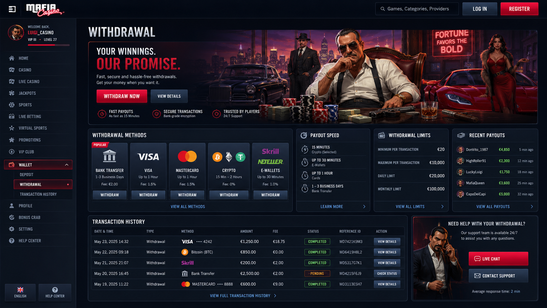
Cash-Out Area | Player Action | Why It Matters |
|---|---|---|
Profile Details | Review name, email, location, and account status | Helps reduce avoidable account checks |
Payment Route | Choose a method held in your own name | Makes ownership easier to confirm |
Balance Review | Check available funds and active offer rules | Shows whether the amount is ready to request |
Document Upload | Send readable files when asked | Prevents repeat requests from support |
Request Notes | Save amount, date, method, and status | Makes later questions easier to answer |
Control Tools | Set limits, breaks, or timeout options | Supports calmer decisions after a win |
Payment Routes, Limits, And Method Habits
The best route is the one you can verify and track, not simply the one that looks quickest. Some players deposit with one method and later want to receive funds through another. That can work only if the account rules and support flow allow it, so guessing is a poor strategy. Before choosing a route, read the cashier page carefully and check whether the method has minimums, maximums, or extra confirmation steps.
Consider a player who wants a small payout, but the selected option has a higher minimum than expected. The request may need to be adjusted before it even moves. A better habit is to look at the method notes before the session begins, especially if you plan to play with a clear cash-out target.
Keeping Deposit And Payout Details Aligned
Using consistent payment details usually creates less friction. If you deposit from a card or wallet in your own name, try to keep the later request tied to a similarly clear route. A third-party account, shared wallet, or mismatched holder name can lead to questions.
If you recently changed banks, do not wait until the last click to discover whether the new option is accepted. Ask support what proof may be needed, then prepare it. Players often lose time because they submit first and explain later.
Reading Limits Before The Session
Limits are not only about large payments. A minimum can affect small requests, and a maximum can affect a bigger win. The cashier page may show method-based conditions, while responsible play tools can set personal boundaries around deposits, time, or access.
Imagine you plan to play for one hour and take out anything above a set amount. If your selected route cannot handle that amount as expected, the plan breaks. Read the limits first, then decide the session budget and the point where you stop.
Balance Status, Offers, And Locked Funds
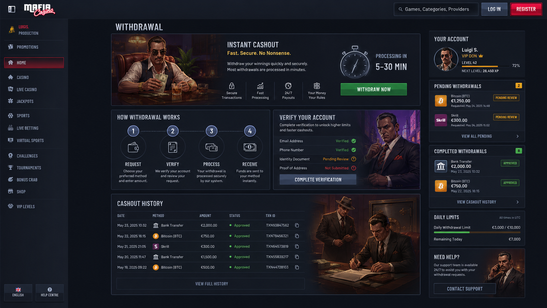
The number shown in the account is not always the same as the amount ready to leave. A balance can include playable funds, restricted funds, or money connected to an offer. Before making a request, open the promotion details and check whether there are play conditions, expiry rules, or limits on what can be taken out.
Here is the simple scenario. You accept an offer, win during the session, and then try to remove the full balance. If the conditions are not complete, the request may not behave the way you expected. This is why a patient player checks the offer screen before touching the cashier.
Separating Play Money From Payout Money
Once you decide to take funds out, separate that amount mentally from the rest of the balance. Leave a smaller entertainment amount if you still want to play, but do not keep reopening the same request because the next slot looks tempting. This is where many players make the process harder for themselves.
Picture a player who reaches a target, requests funds, cancels the request, plays again, and then regrets the decision. The calmer habit is to decide the exit number before play starts and treat it as finished once reached.
When A Pending Status Should Be Left Alone
Pending status can be frustrating, but constant changes do not help. If the request is waiting for review, canceling and resubmitting may reset part of the process or create extra confusion. Unless there is a genuine mistake, leave the request in place and watch for messages from support.
If you entered the wrong amount, that is different. In that case, contact support or use the available account option carefully. Explain the issue once, include the amount and method, and avoid sending emotional follow-ups every few minutes.
Using Timeout Tools After A Big Win
A timeout can protect a decision that you already made. After a strong result, emotions can push a player back into the lobby even when the original plan was to stop. A short break helps turn the payout request into a real boundary.
For example, you take out part of the balance and feel tempted to chase a larger result with the rest. Set a pause before opening another game. It is easier to keep control when the tool is used early.
Mobile Cash-Outs For Canada Players
Mobile access makes the process convenient, but it also increases the chance of small mistakes. Autocomplete can fill an old email, the screen can hide method notes, and a rushed tap can enter the wrong amount. If you use a phone, slow down before the final confirmation.
Think about a player standing in a coffee line, checking the account, and trying to submit a request in thirty seconds. That is exactly when mistakes happen. The better move is to wait for a quiet moment, read the cashier screen from top to bottom, and confirm the selected route.
Mobile support is useful when the message is structured. Instead of writing, “Where is my money?”, send the request date, amount, selected route, and current status. If a screenshot is needed, keep the relevant status visible.
Support Messages That Actually Help
Support can work faster when the question is precise. A useful message states what happened, what you already checked, and what you need. Include the request date, amount, selected method, and whether any documents were uploaded. Do not send ten separate messages if one complete explanation can do the job.
Suppose your request has not changed status and you are unsure why. First check your email, account notifications, and document area. Then ask support whether anything is missing. This shows that you have already reviewed the basic places and need a direct answer.
What To Say When Documents Are Requested
When documents are requested, answer the exact request. If support asks for identity proof, do not send a payment screenshot instead. If they ask for payment proof, make sure the method holder name and relevant details can be read. One complete reply is stronger than several partial files.
Imagine you send a document that hides the important line by accident. The team has to ask again, and the review continues. Before sending, open the file yourself and check whether a stranger could understand what it proves.
Common Delays And How To Avoid Them
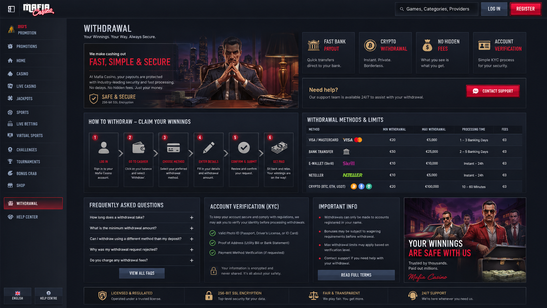
Most preventable delays come from rushed setup. Incomplete profiles, mixed payment ownership, active offer conditions, unreadable files, and repeated request changes all slow the path. None of these issues automatically means the payout will fail, but each one adds another step.
A player who wants a smoother experience should treat the cash-out process like a checklist. Confirm account details, choose a method in your own name, check the available balance, read method notes, and then submit once.
Building A Calm Cash-Out Routine
A routine removes pressure from the moment. Decide your session budget, decide the amount you want to keep if you win, and decide when you will stop. The more decisions you make before play, the fewer emotional decisions appear afterward.
Usually, players do better when they write down the target in advance. For example: play with a set amount, take out anything above a chosen number, and leave the rest untouched. This is not complicated, but it turns the payout process from a reaction into a plan.